

From October 20–24, The Clash: European Combat Sports Festival 2026 will take place at Unibet Arena in Tallinn, with The Clash 5 Main Event scheduled for October 24. The five-day festival will bring athletes from more than 12 countries to Estonia and combine competitions, an educational program, and the combat sports community.
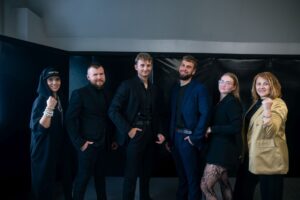
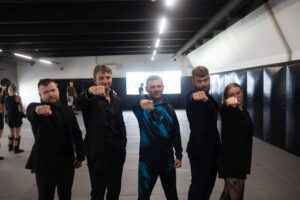
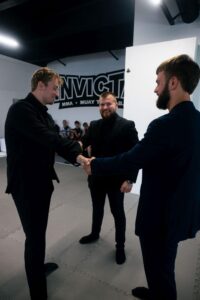
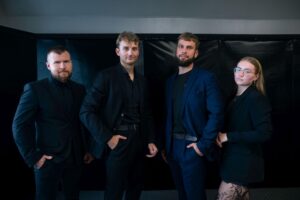
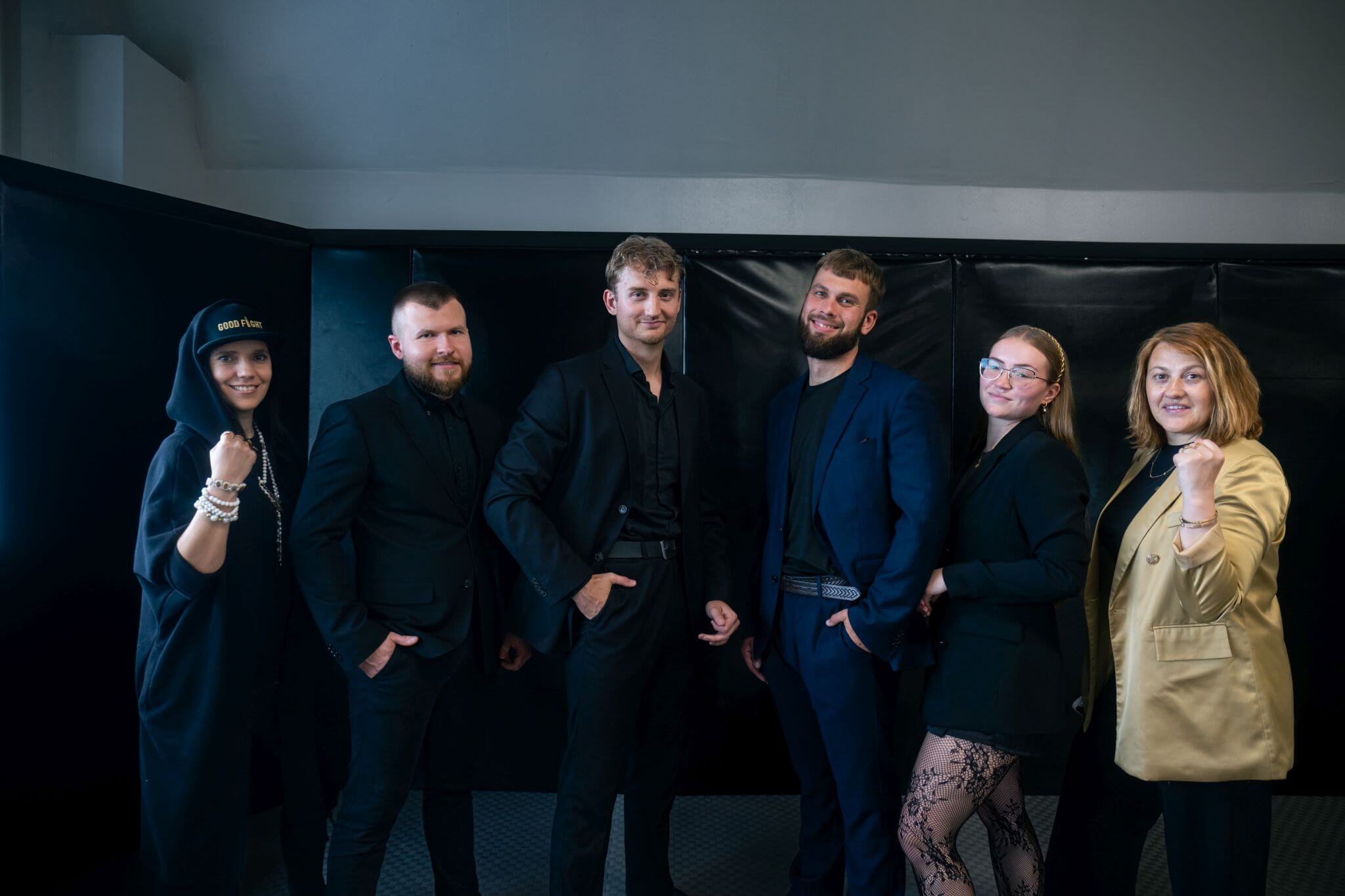
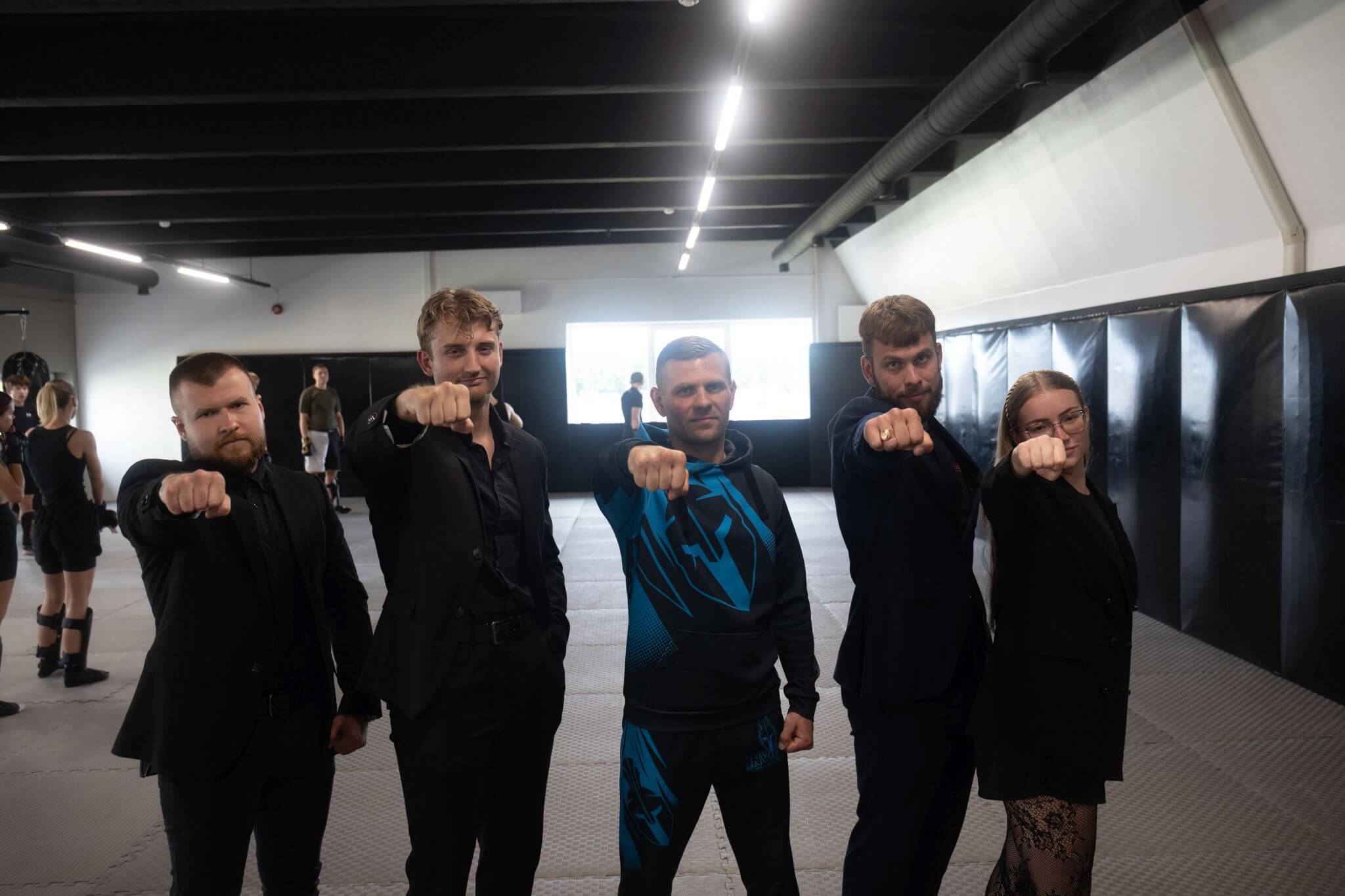
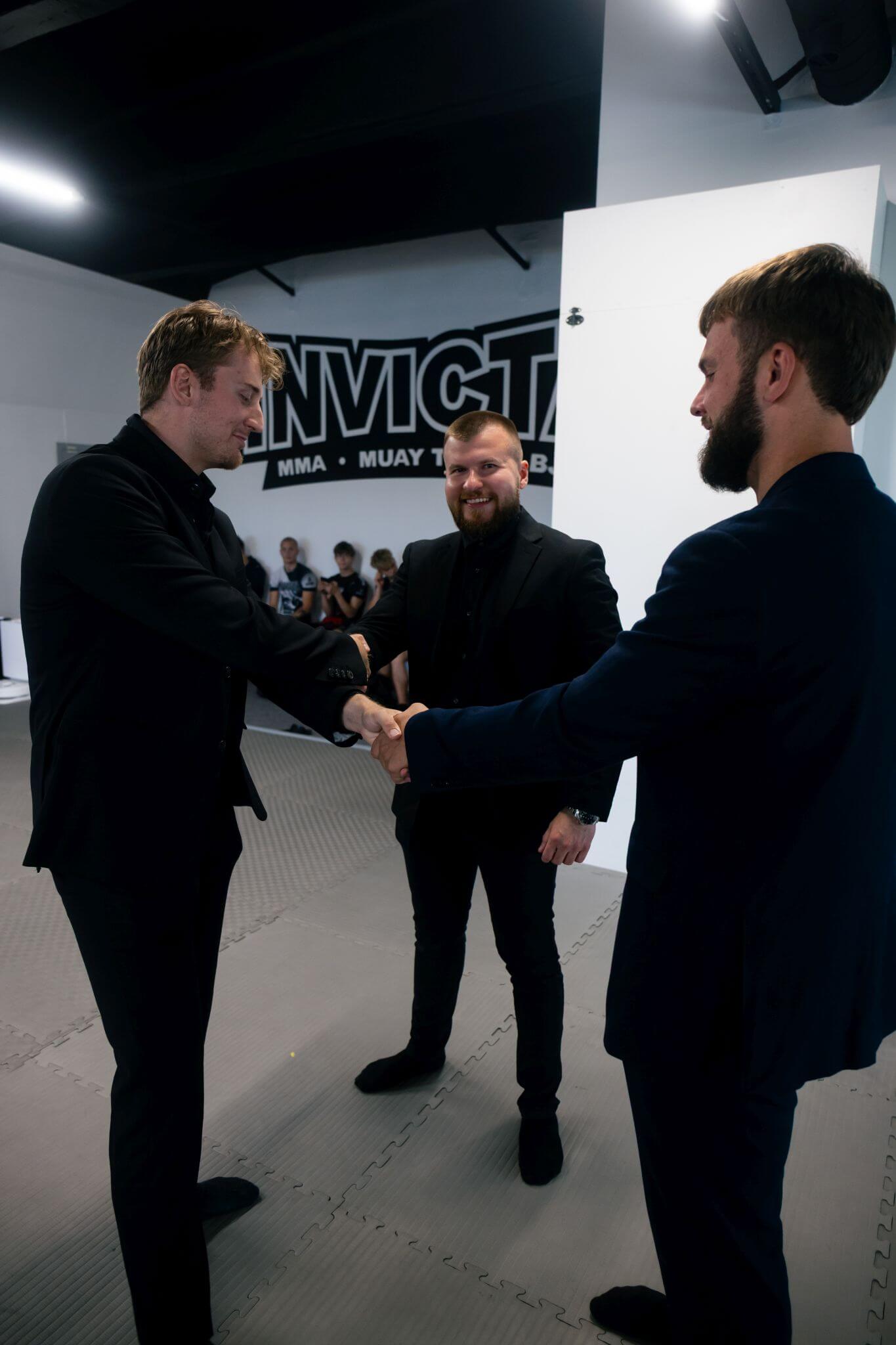
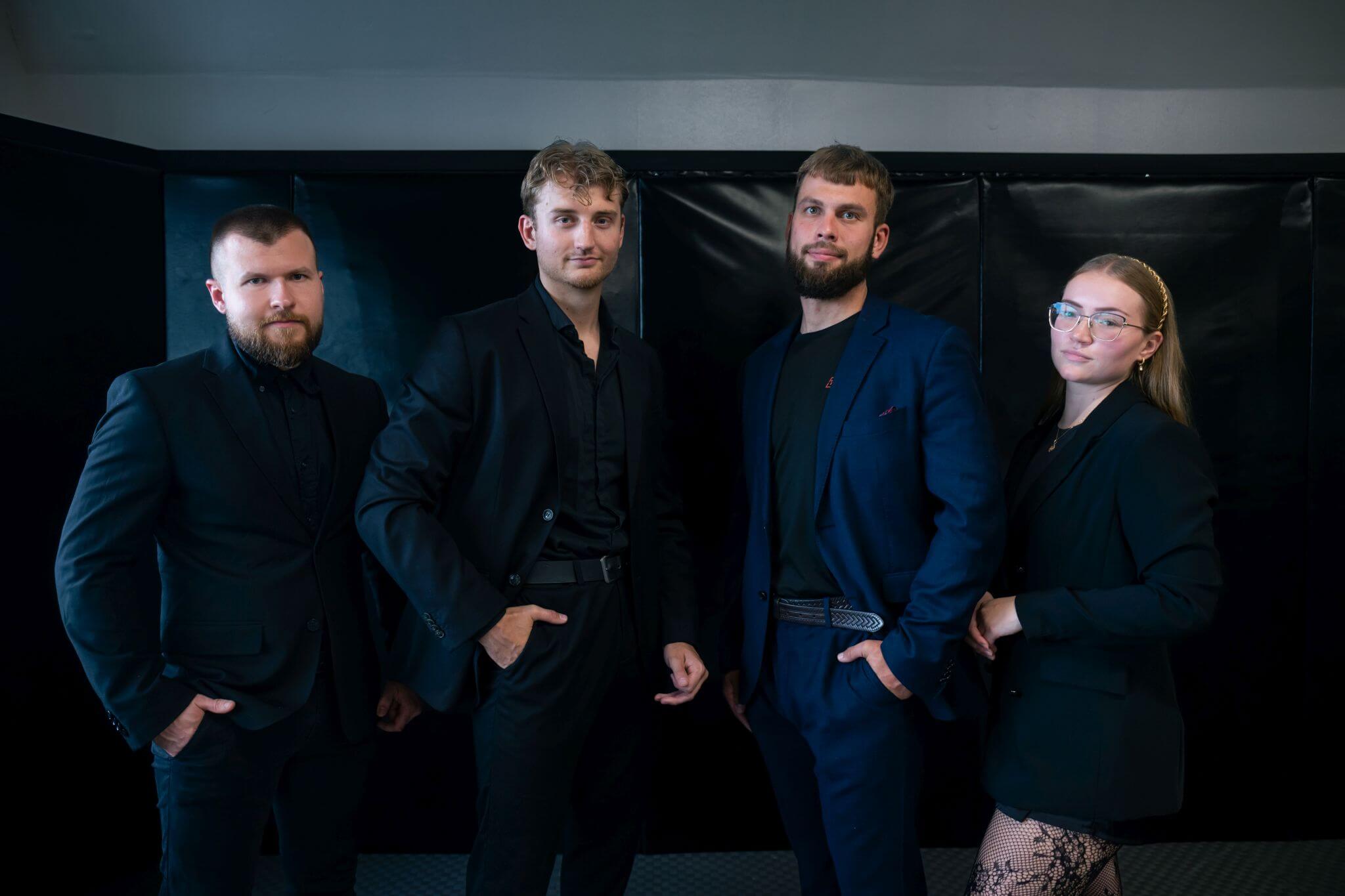
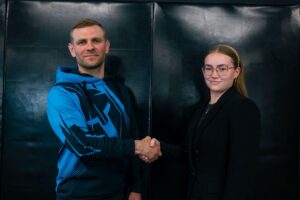
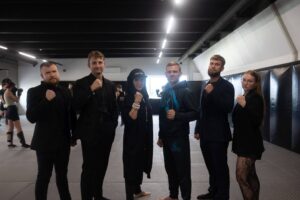
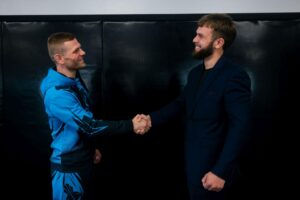
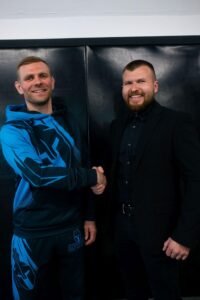
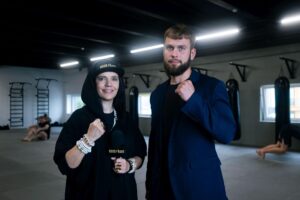
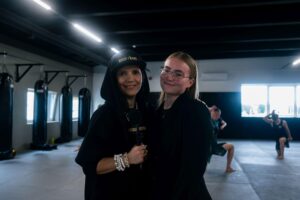
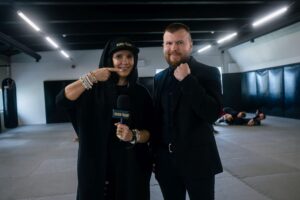
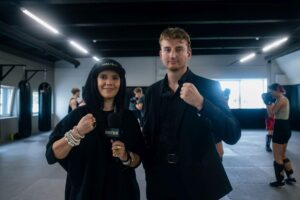
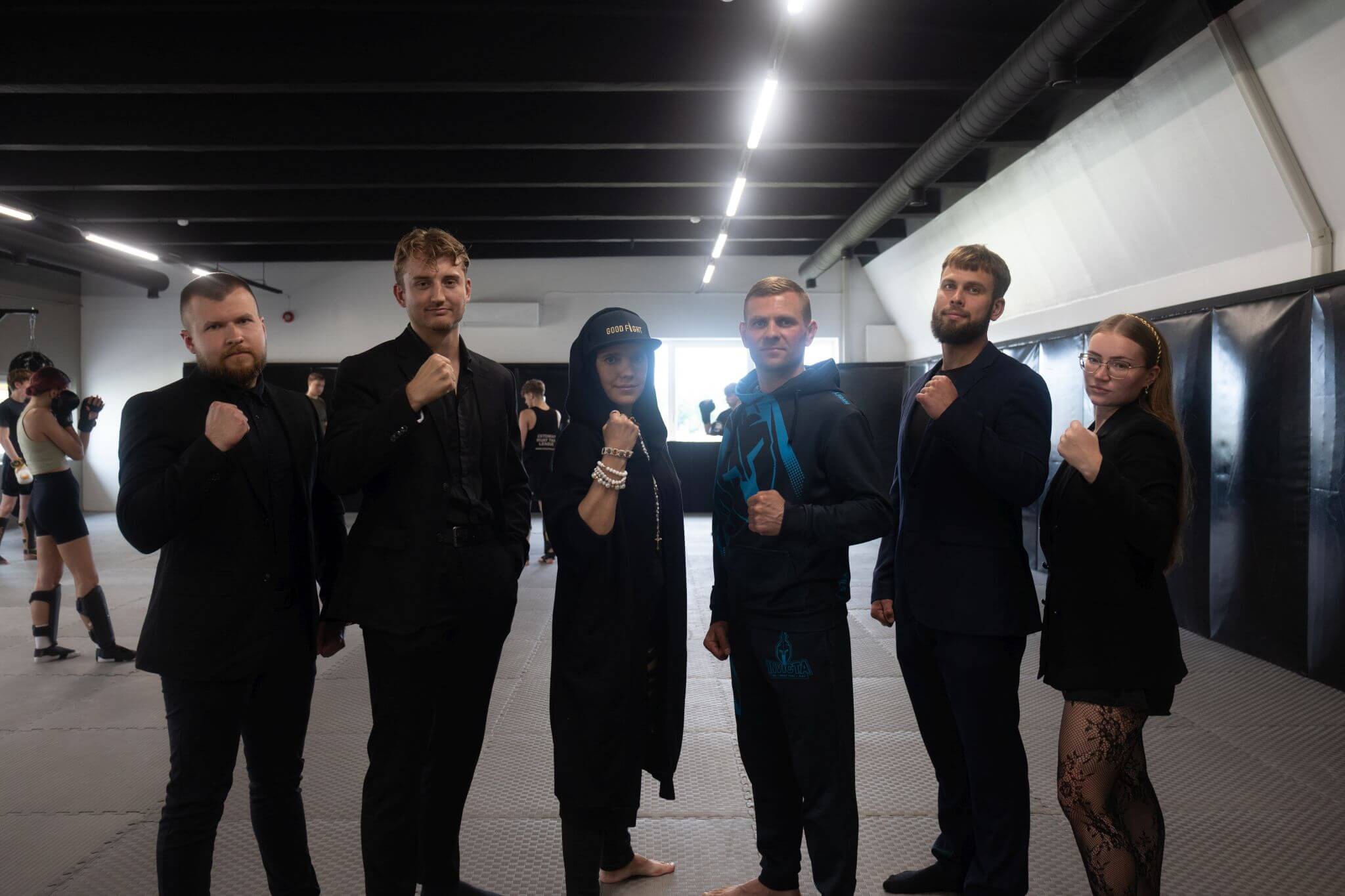
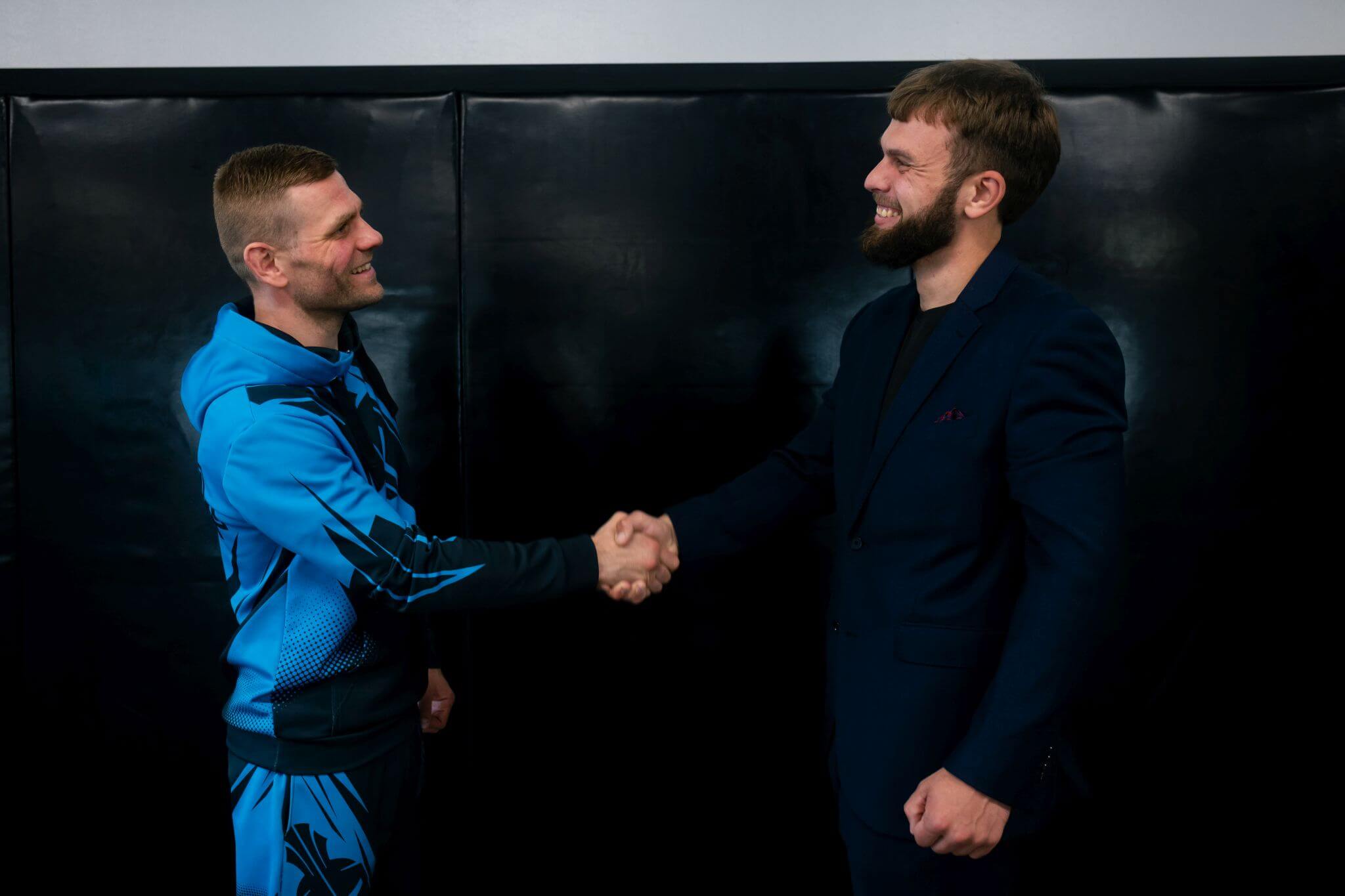
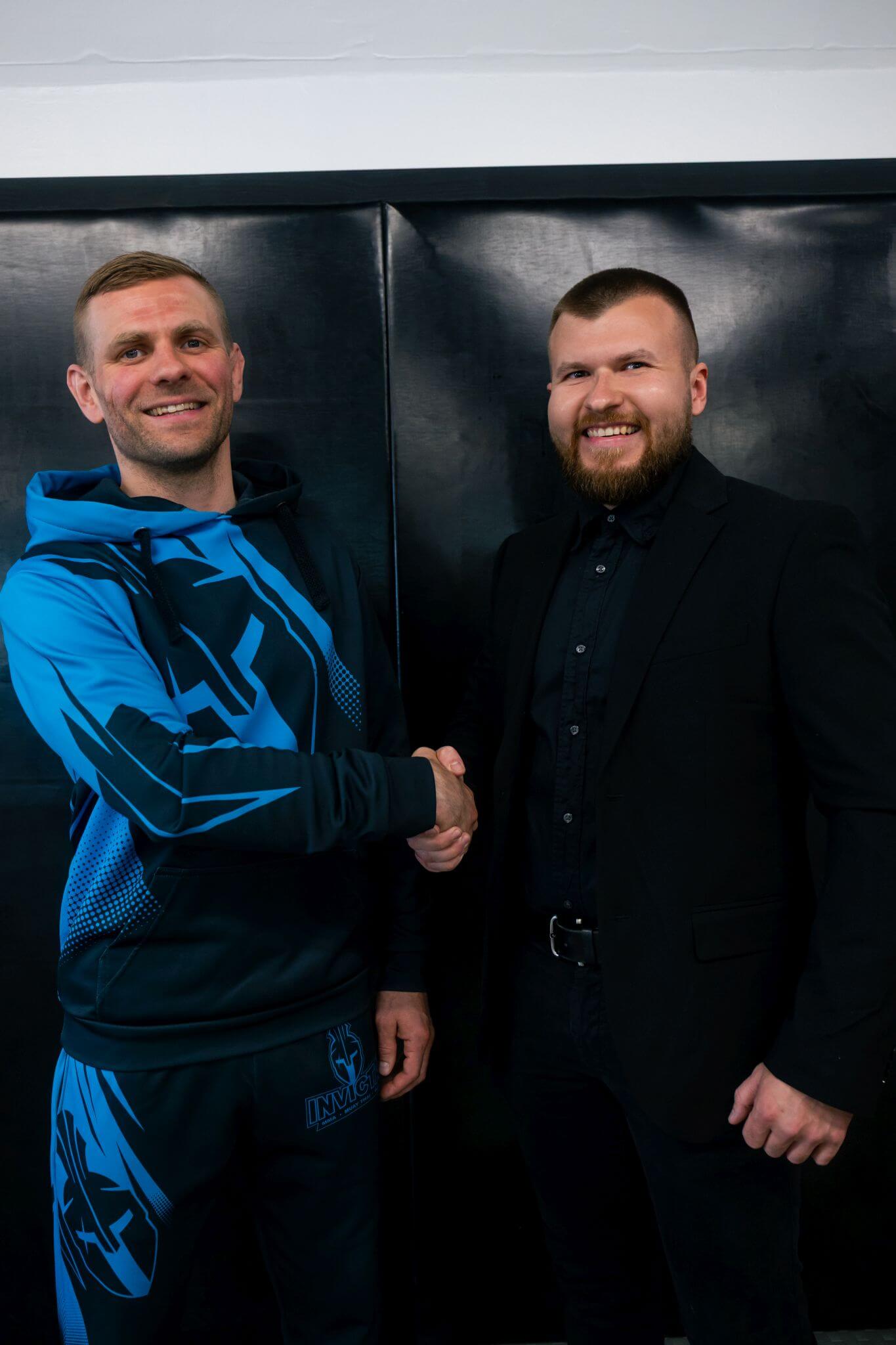
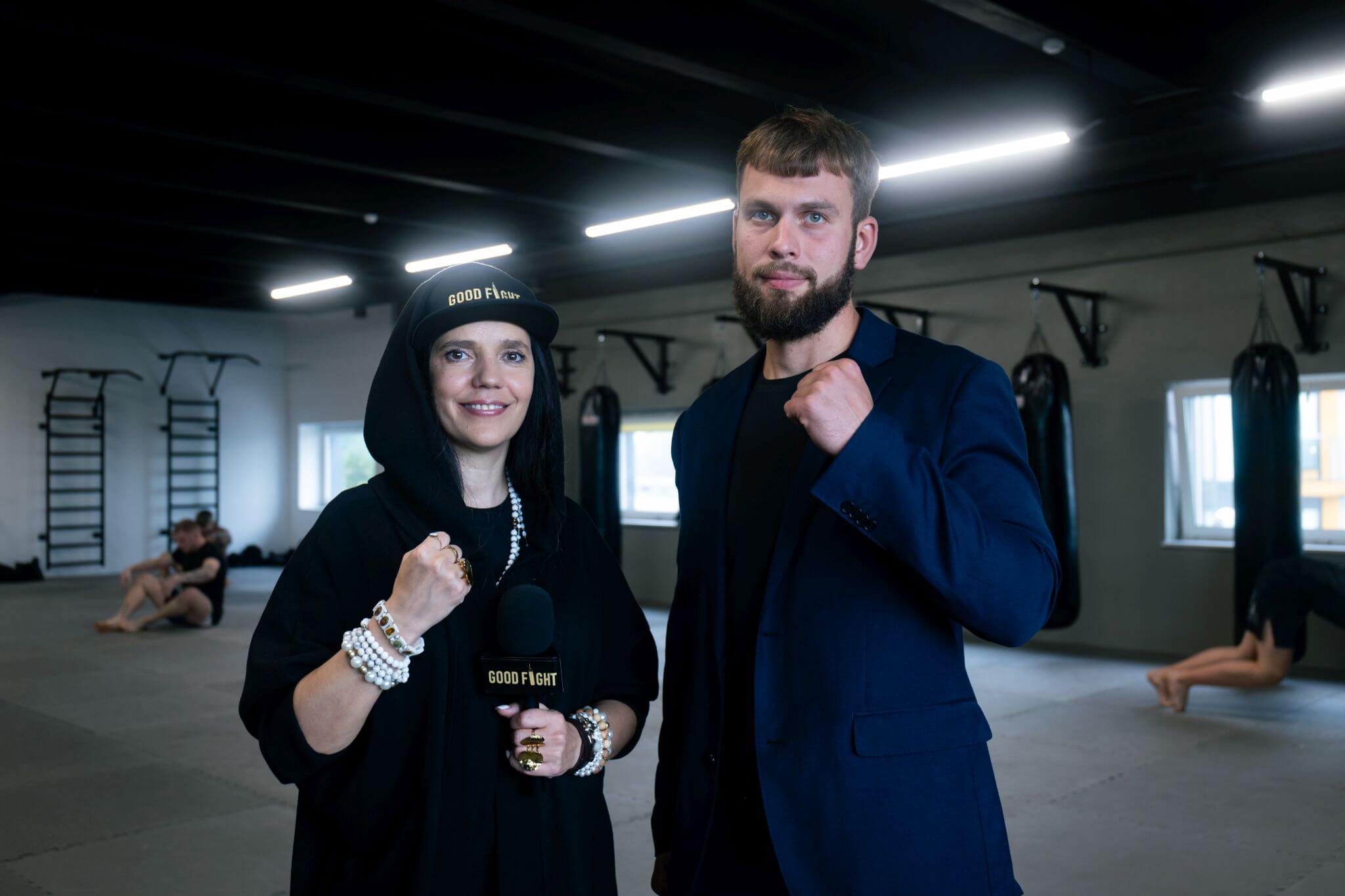
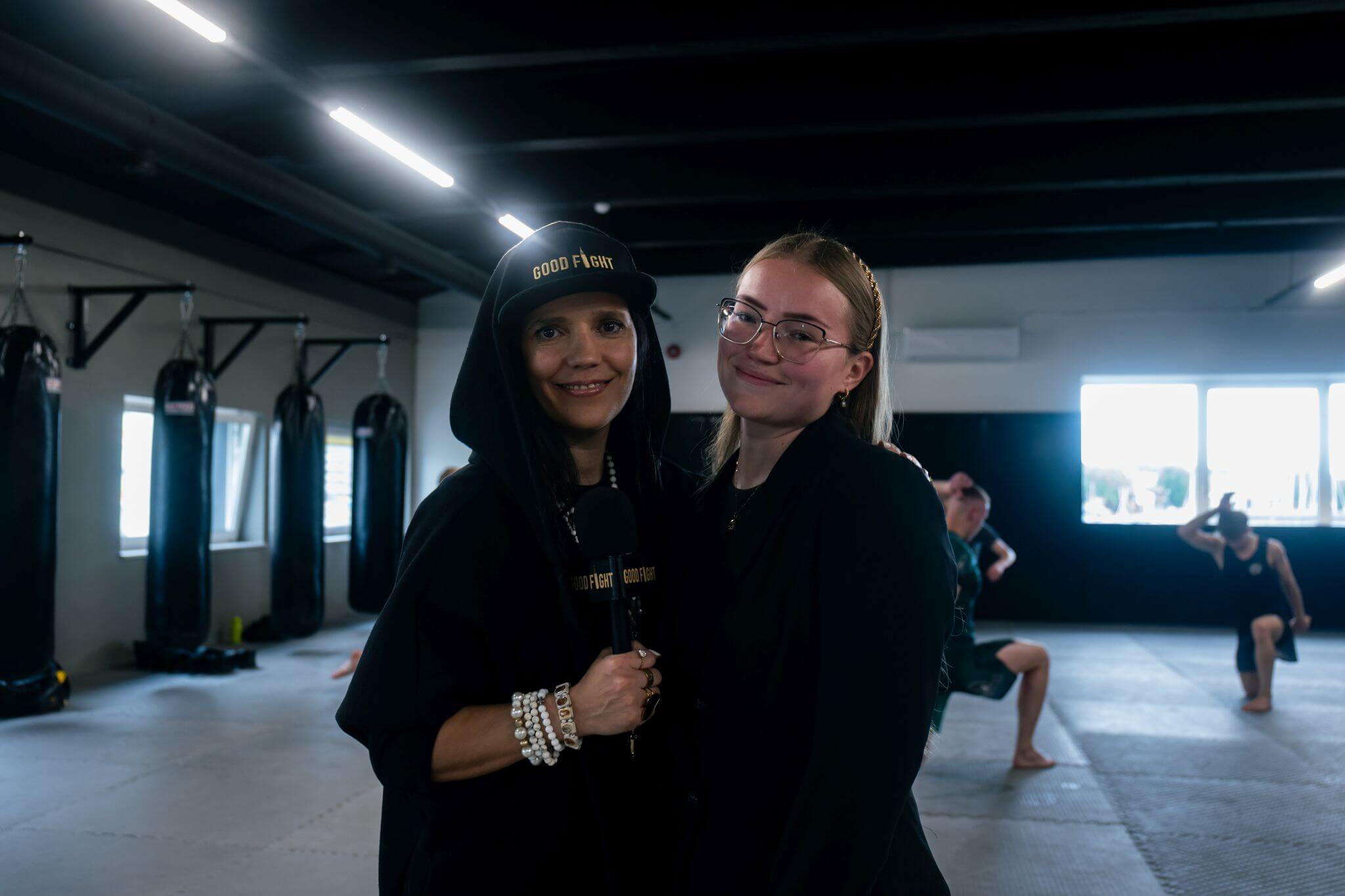
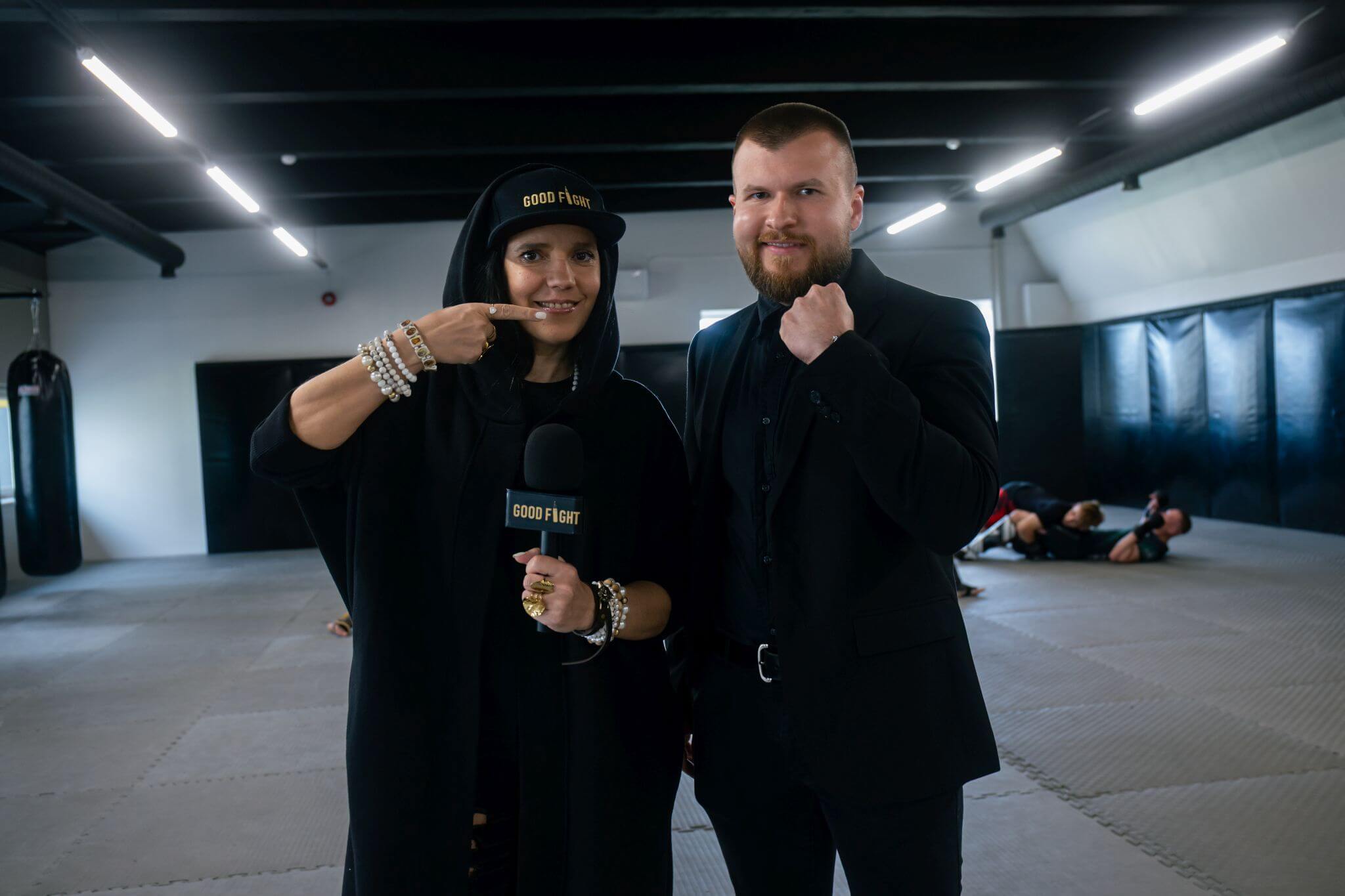
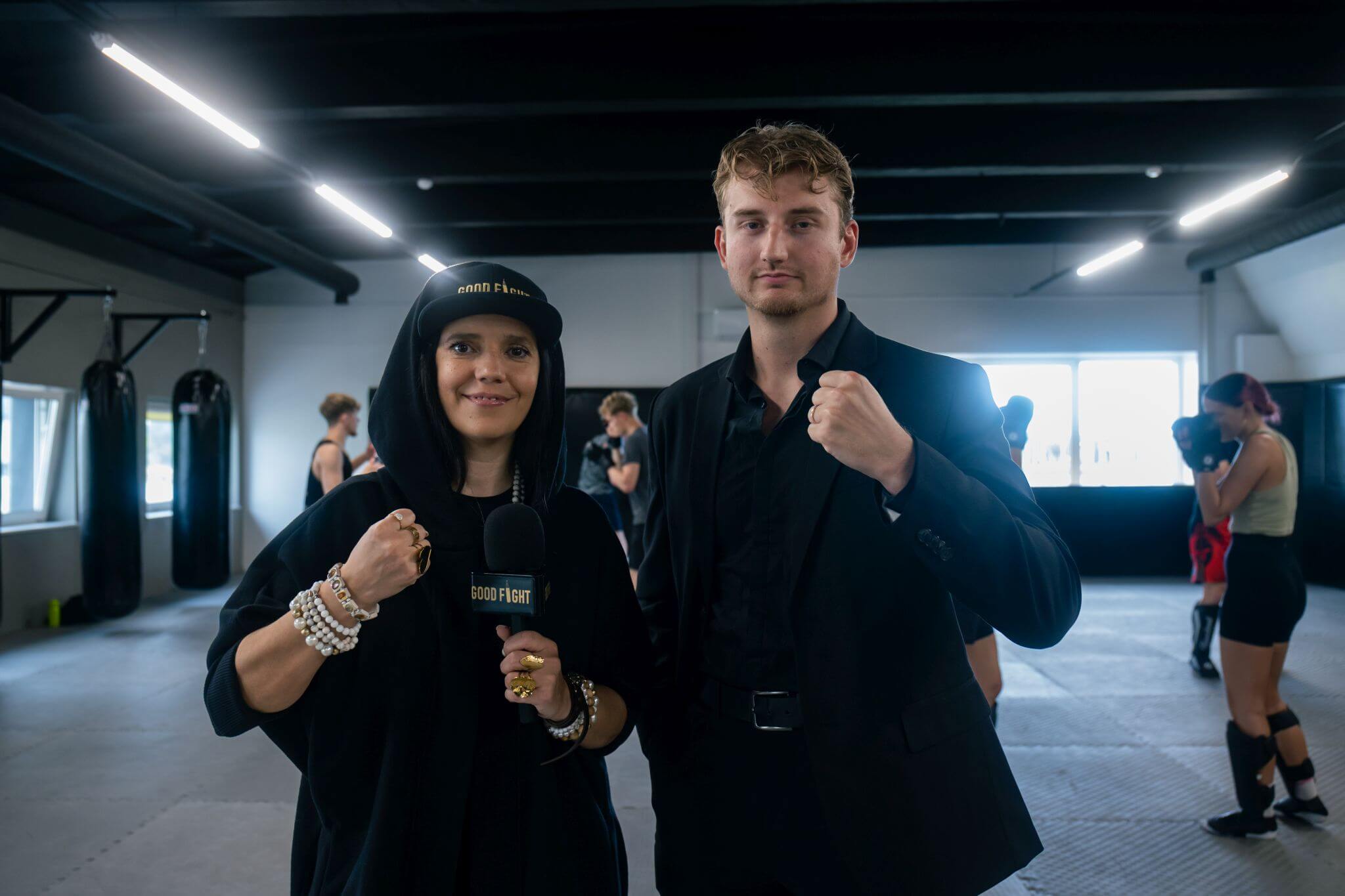
The Clash has been held four times in Pärnu so far, but this year the event is moving to Tallinn on a larger scale. Ahead of the fall festival, the organizers launched a tour of Estonia, visiting sports clubs whose athletes will compete in October. The tour’s first stop was at the Invicta sports club in Pärnu.
The experience gained over the years in Pärnu will now be brought to Tallinn
Karl Loonurm, one of the main organizers of The Clash, says that the combat sports events held so far in Pärnu have provided the organizers with valuable experience, and each event has served as the foundation for the next step. “These have all been huge learning experiences for us. Each time, we’ve taken others’ suggestions to heart and used them to improve everything, making the event bigger and better each time.”
This year, The Clash is taking on a new dimension with the European Combat Sports Festival, which, in addition to competitions, will feature seminars, workshops, and a development program for athletes, coaches, and referees. According to Loonurme, the festival has two key components: education and competition. “The educational part of the festival involves various training sessions and seminars so that athletes can educate themselves and learn how to build their personal brand. The other part is the competition side, which features amateur and semi-pro matches where athletes can truly test themselves in order to reach the professional level in the future,” said Loonurm.
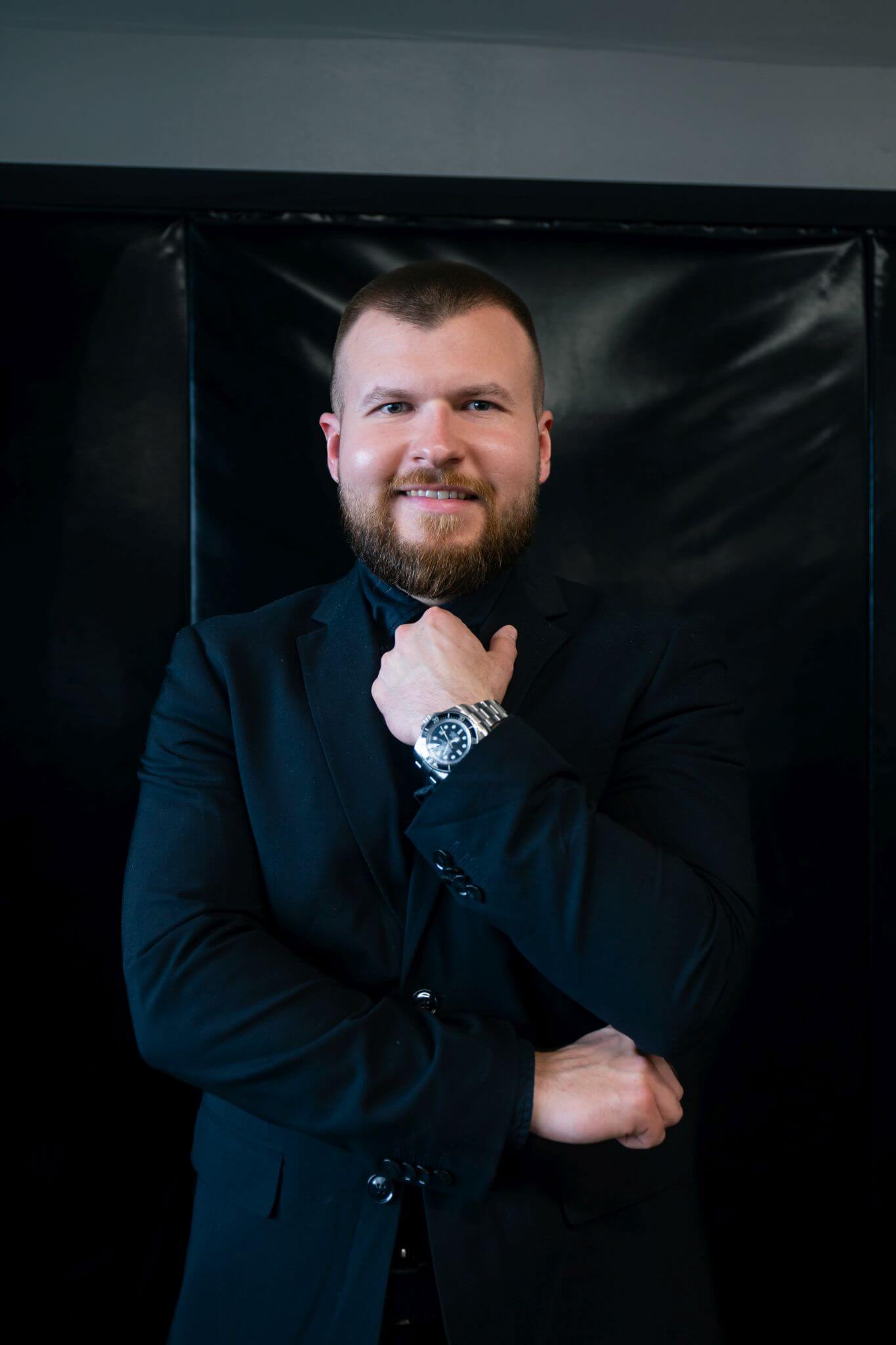
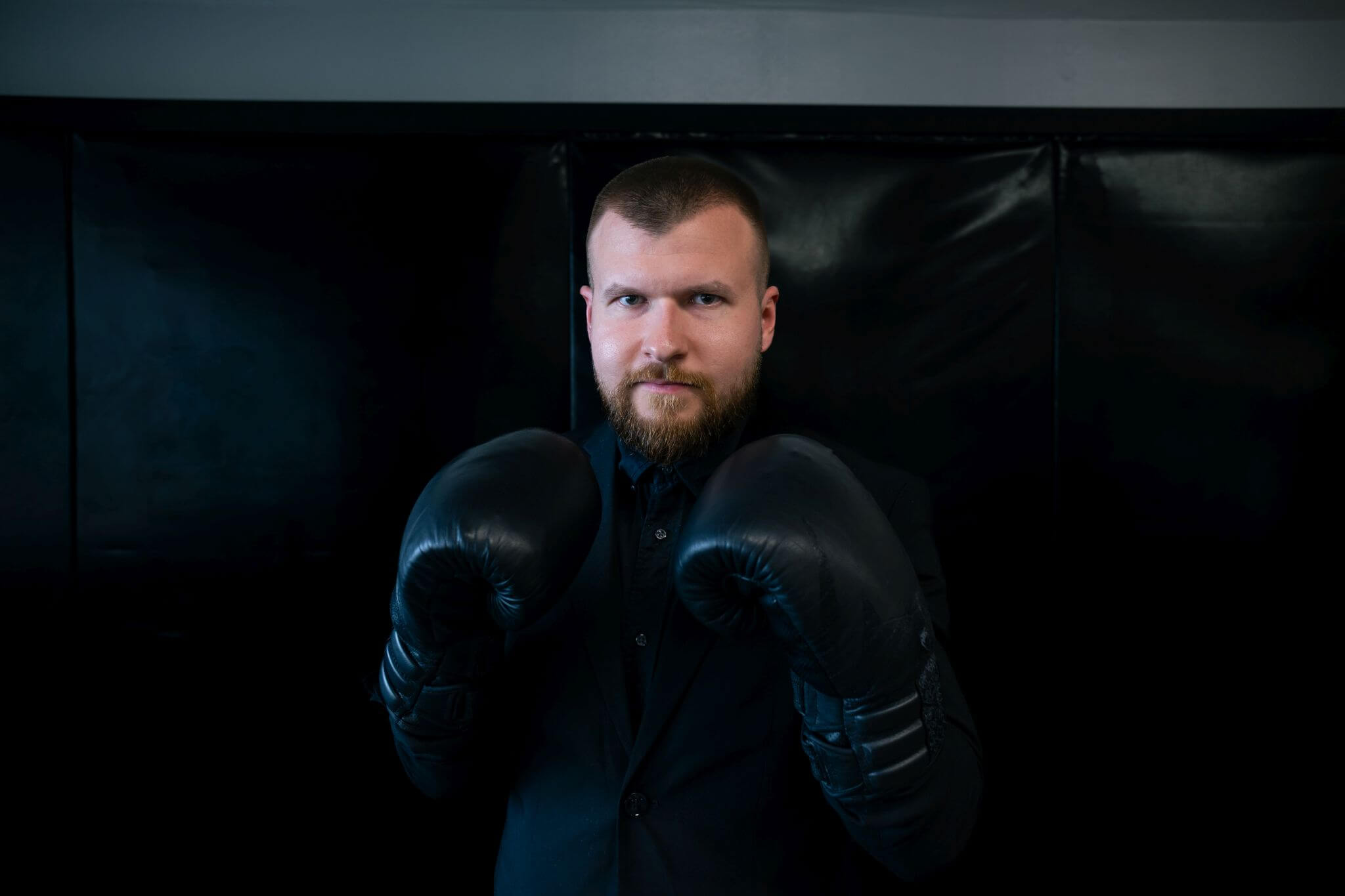
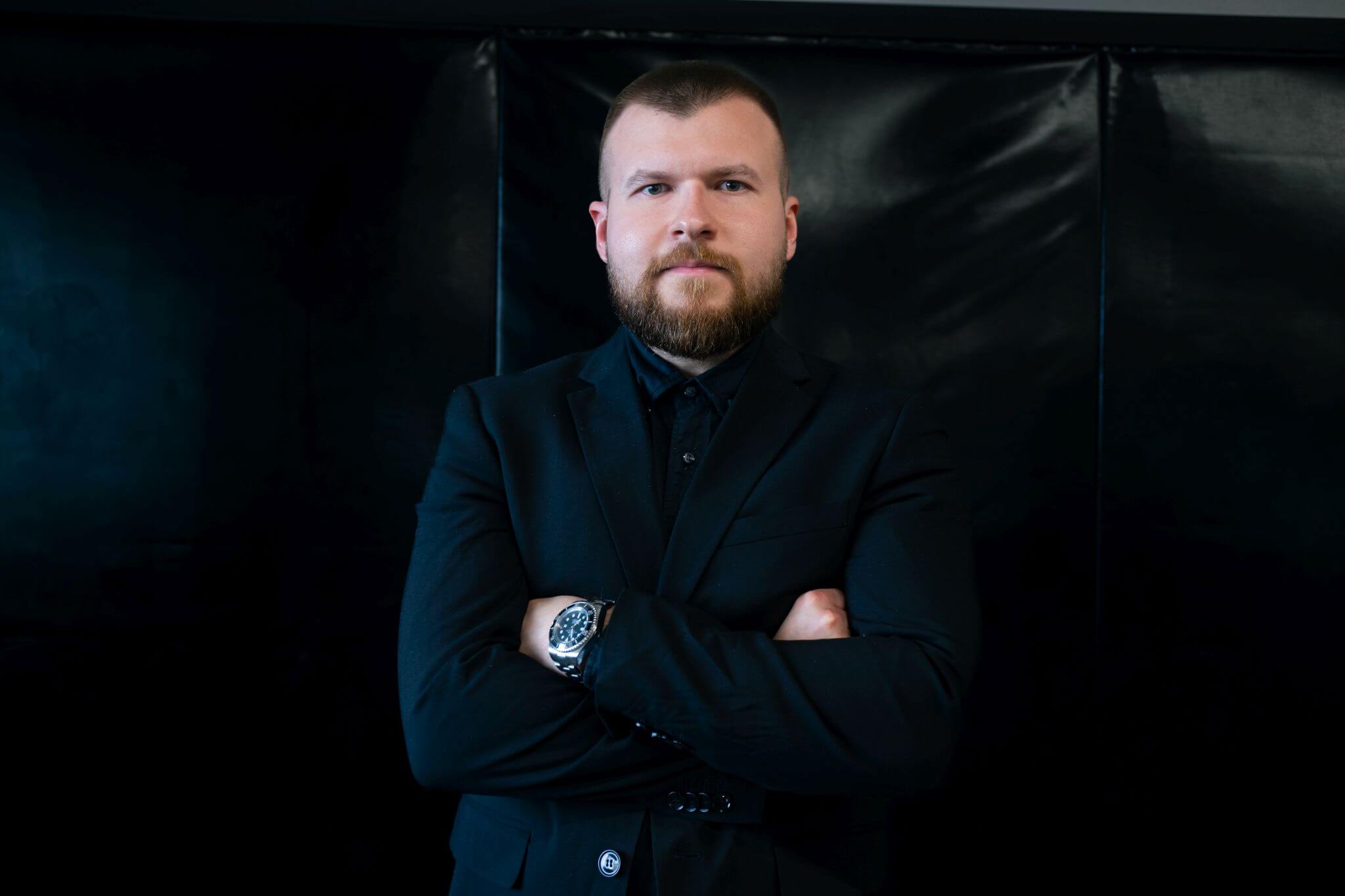
According to Loonurm, the organizers aren’t worried that the event, which began in Pärnu, is now moving to a much larger setting. “We believe that once we’ve set out to do something, we’ll see it through—and we’ll see it through to the very end. We’ve shown in Pärnu that we do things well, and we’ll certainly do the same in Tallinn, at that level.”
“When we set out to do something, we see it through—and we see it through to the very end.”
— Karl Loonurm, organizer
The show has to happen, but it has to feel natural
Mihkel Mihkelson, the lead organizer of The Clash, is responsible for putting together the event’s matchups. According to him, in combat sports, you have to plan very far in advance, because finding athletes, matching opponents, and negotiating agreements takes time. “In combat sports, you have to plan well in advance for anything to happen here at all. I wouldn’t rule out the possibility that there might be a match or two that we can’t announce until just a few days before the event, because changes can always happen. That’s just how the combat sports scene works,” explains Mihkelson.
According to him, the higher the athletes’ level, the more complicated it becomes to put together matches. It’s not just important that the two fighters be technically compatible, but that there also be a sporting and substantive reason for the matchup. “The higher the level, the more difficult it becomes to find pairings, because there are more and more different factors that might prevent a particular match from happening. For me, the most important thing is that there’s a story behind it. We’re not just there to fight—it’s a sport. And it’s extremely important that there’s some kind of story and rivalry even outside the ring. It’s always friendly, of course, but in my opinion, that’s the most important thing.”
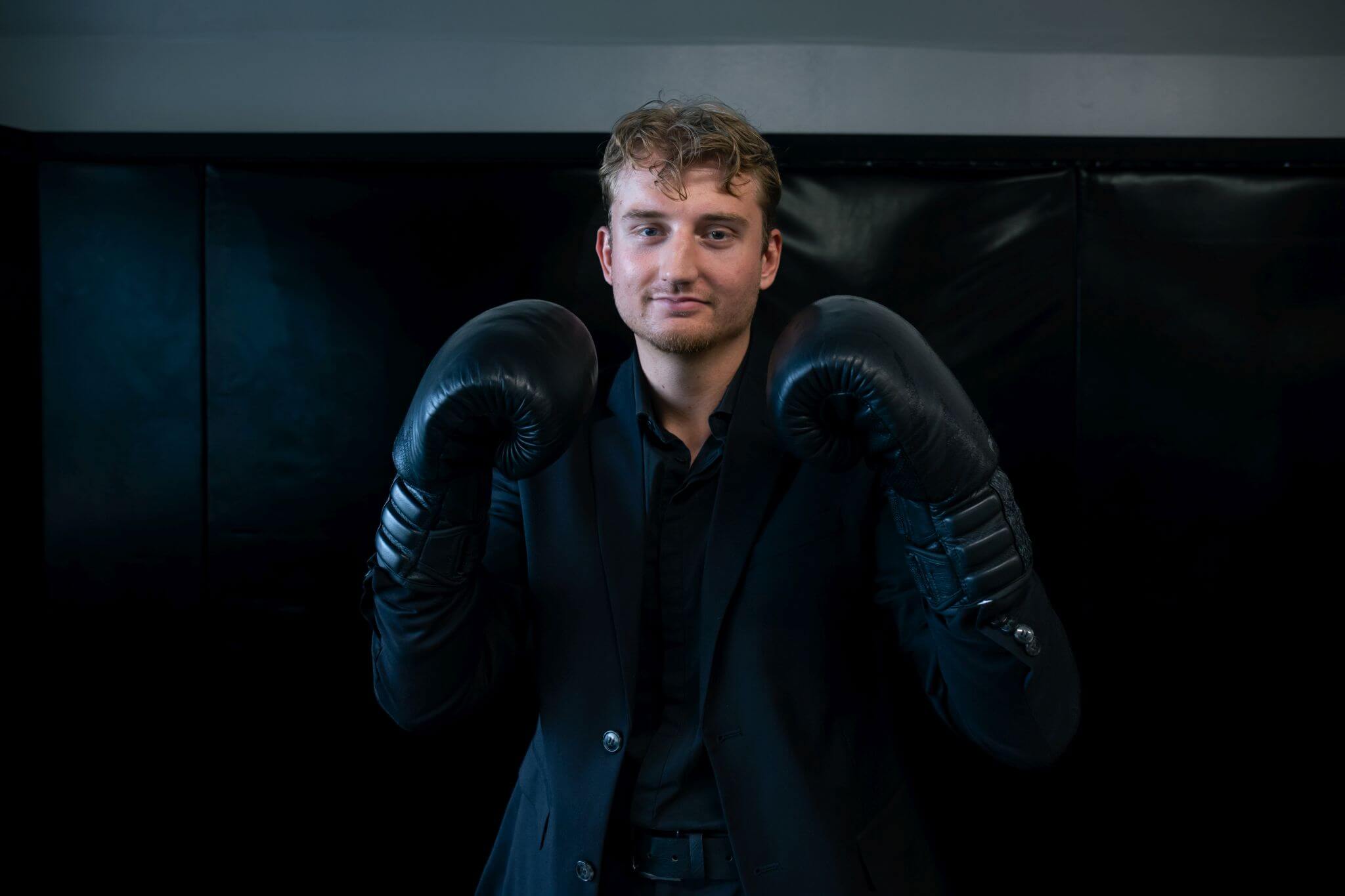
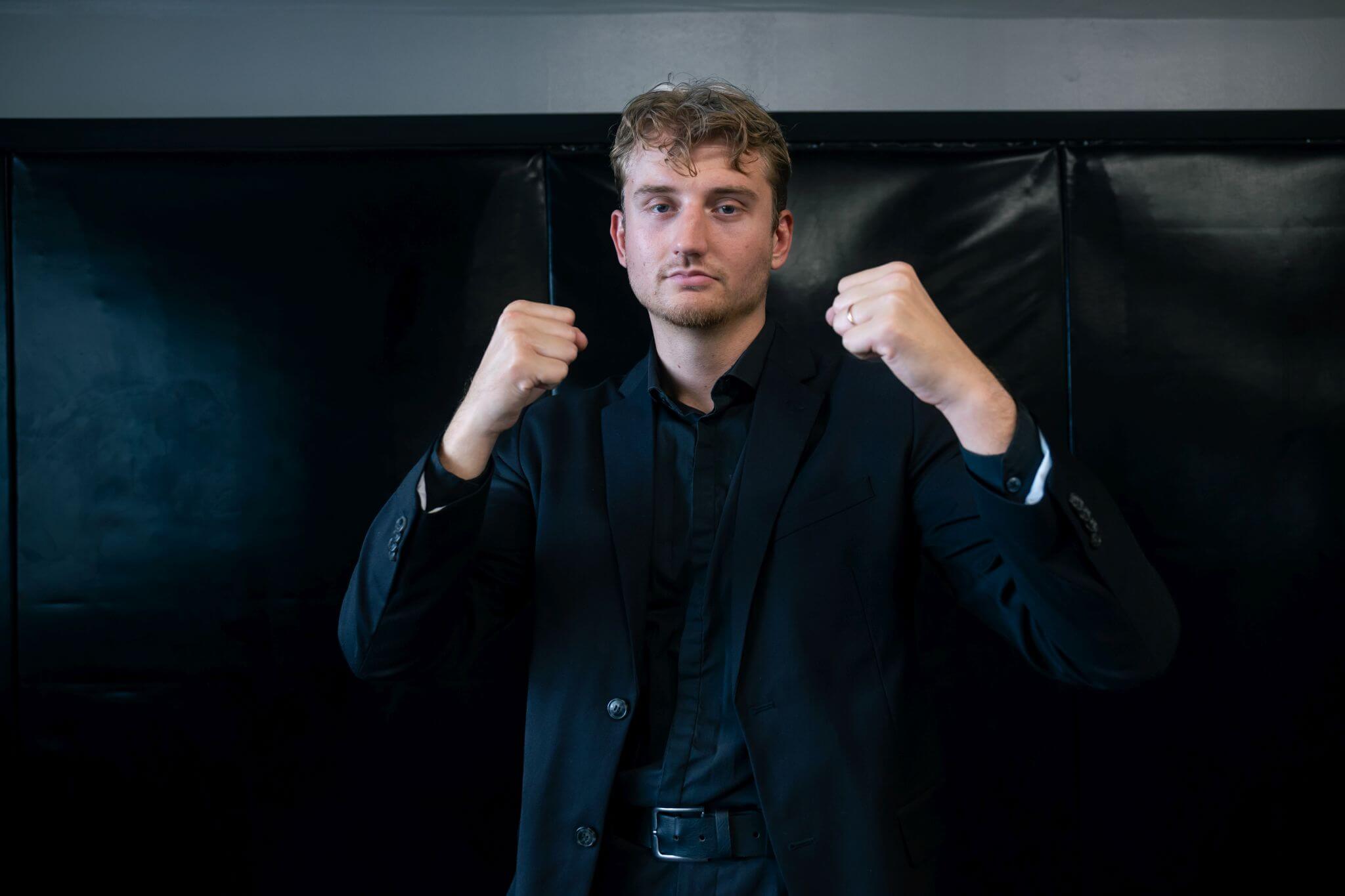
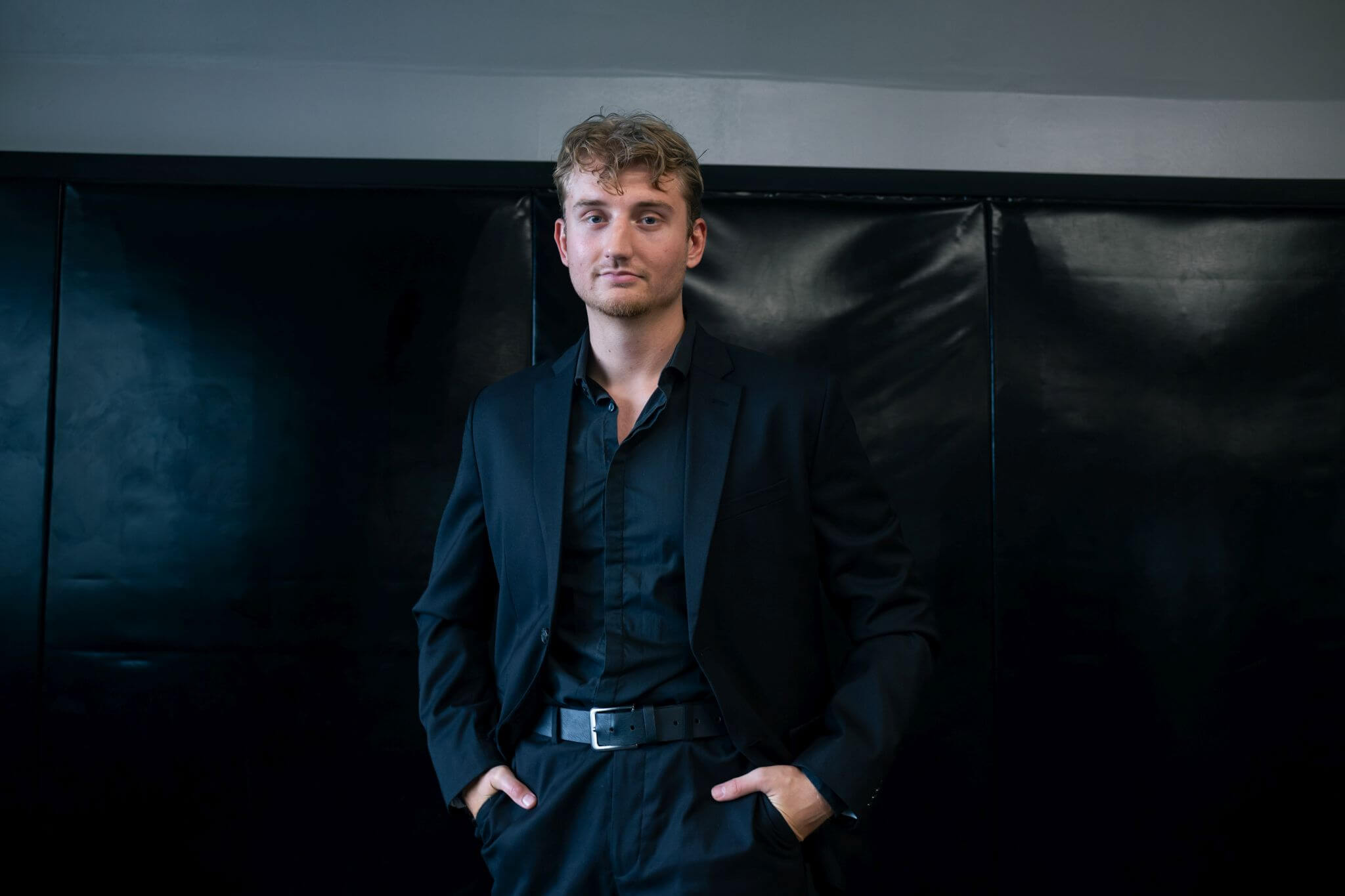
According to Mihkelson, the show is also part of modern combat sports, but it mustn’t be artificially created. “Everyone knows it’s a show. You have to put on a show. Everyone does it as much as they think is right. Those who put on a bigger show will continue to get more invitations. But it has to come naturally; otherwise, it’s not right,” Mihkelson notes.
“In combat sports, you have to put in a lot of work well in advance for anything to even start happening in this scene.”
— Mihkel Mihkelson, organizer
The educational program places a strong emphasis on mental health
The festival’s educational program is led by Heleri Tähtre, who says the goal is to provide athletes, coaches, referees, and the audience with knowledge that helps them engage with combat sports in a more holistic way. “We’ve been asked a lot whether the program is really free, how much it costs, and who can attend. Yes, that’s true—the entire program is free. It’s free for both combat athletes and the general public, so everyone is welcome,” said Tähtre.
Among other topics, the festival will cover nutrition, mental health, general physical training, coaching, refereeing, and an athlete’s personal brand. “While the program is focused on combat sports, I think there’s something for everyone to take away from it. We’ll discuss nutrition, mental health, and general physical training; hold masterclasses with top athletes; and offer content for coaches and referees as well,” Tähtre explains.
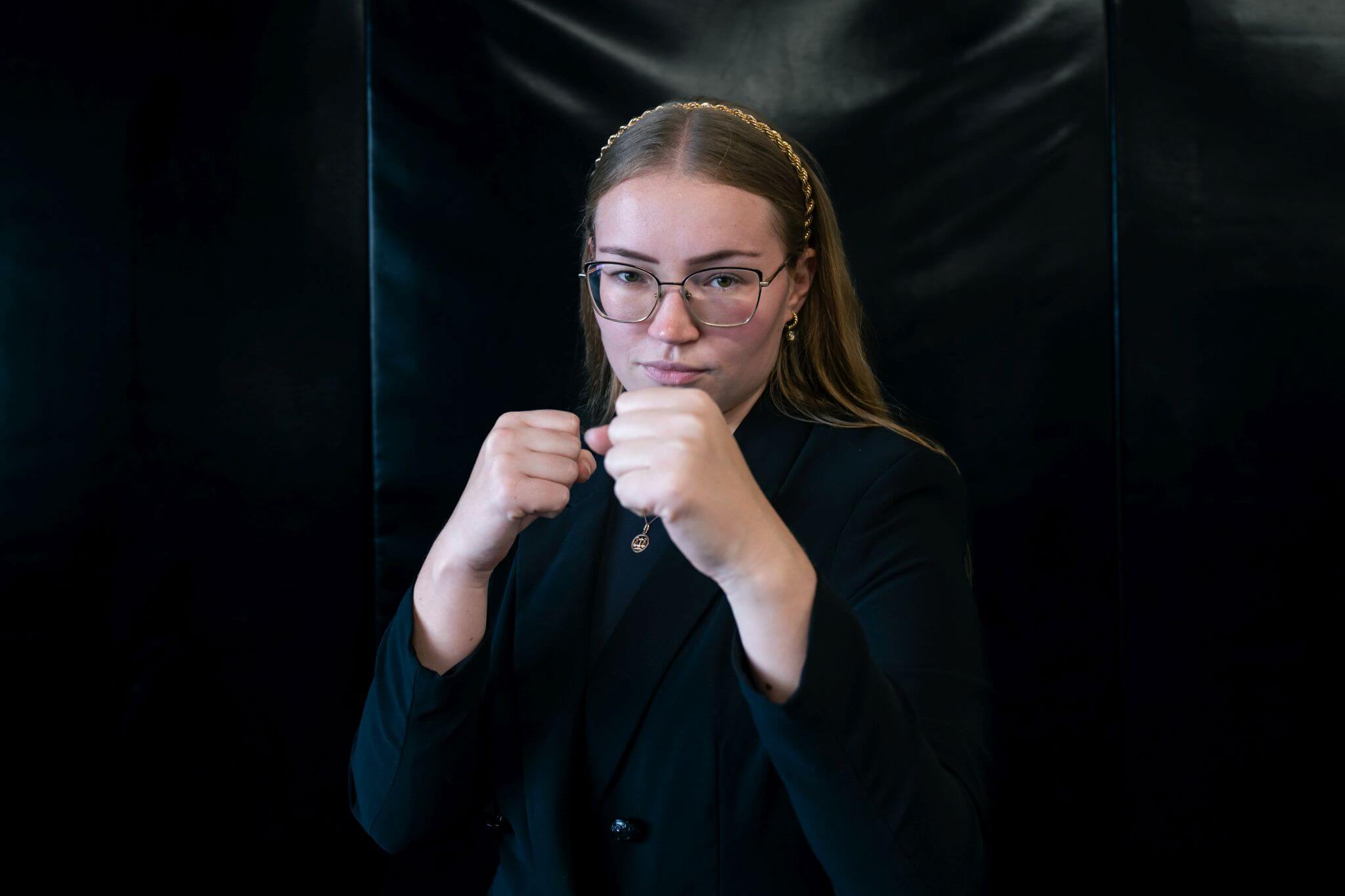
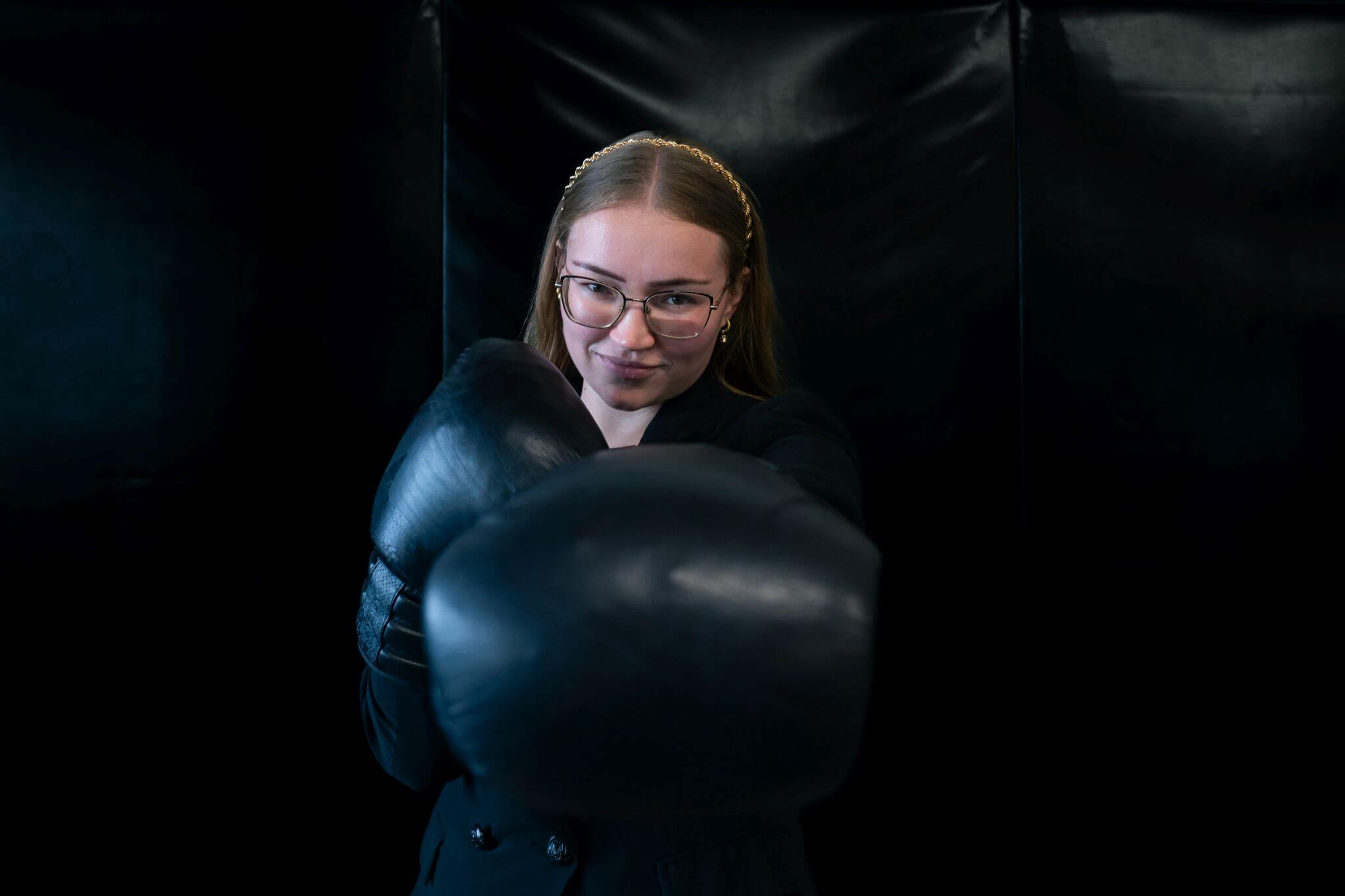
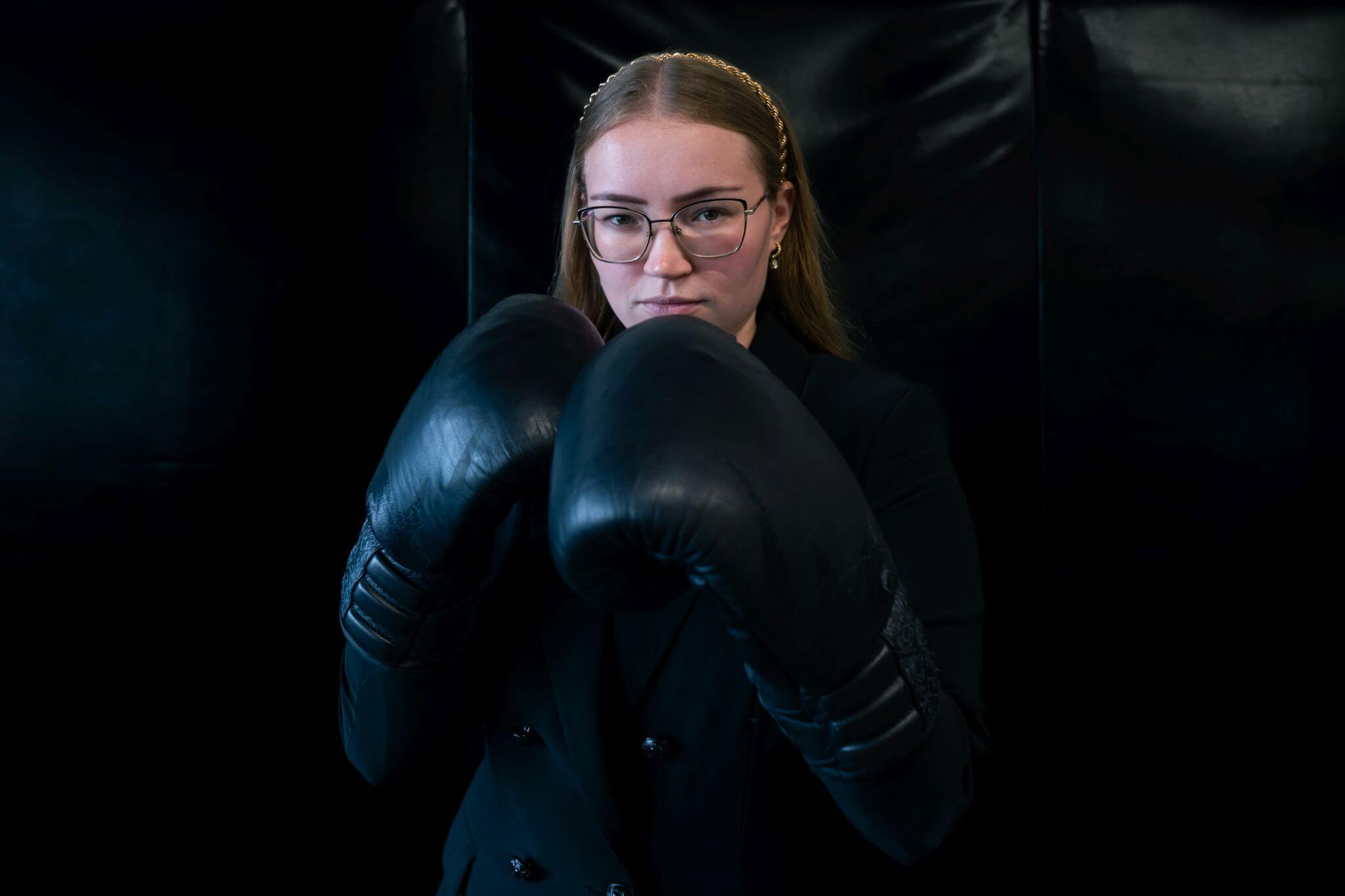
One of the most important parts of the program is mental health. According to Tähtre, the goal is not just to offer lectures, but also practical tools that every athlete can use even after the festival. “On the mental health side, we’ve brought in sports psychologists from the Olympic Committee. This won’t be a purely academic seminar, but a practical workshop where athletes can complete hands-on exercises right there and then take them with them on their journey—for example, to prepare for stepping into the ring.”
“In today’s social media society, to get anywhere, an athlete must be ready to perform and show who they are and what they can do.”
— Heleri Tähtre, organizer
According to Tähtre, it’s also important for today’s athletes to understand personal branding. “I see tremendous value in personal branding for athletes. In today’s social media society, to get anywhere, an athlete must be ready to step into the spotlight and show who they are and what they can do.”
Combat sports offer values that everyone needs in their lives
According to Siim Udrase, the idea for the festival grew out of a desire to do something bigger for Estonian combat sports than has been done so far. “The initial idea for the festival came from the fact that I’ve previously worked in youth work and been involved in projects. Since combat sports are very close to my heart, I feel that they have helped me a great deal in life. I also see how they have helped and continue to help other young people. That’s where the desire to do something bigger came from,” recalls Udras.
Since the festival promotes social inclusion and healthy lifestyles, the project also received support from the European Union. Udras believes it’s important that the festival not end with just a single event, but rather leave athletes and clubs with knowledge and contacts they can use later on. “The whole point of this event is for people to gain knowledge that they can take with them and apply later. It’s not just a matter of holding the event, everyone going home, and no one remembering anything afterward. We want the festival to have a long-term impact.”
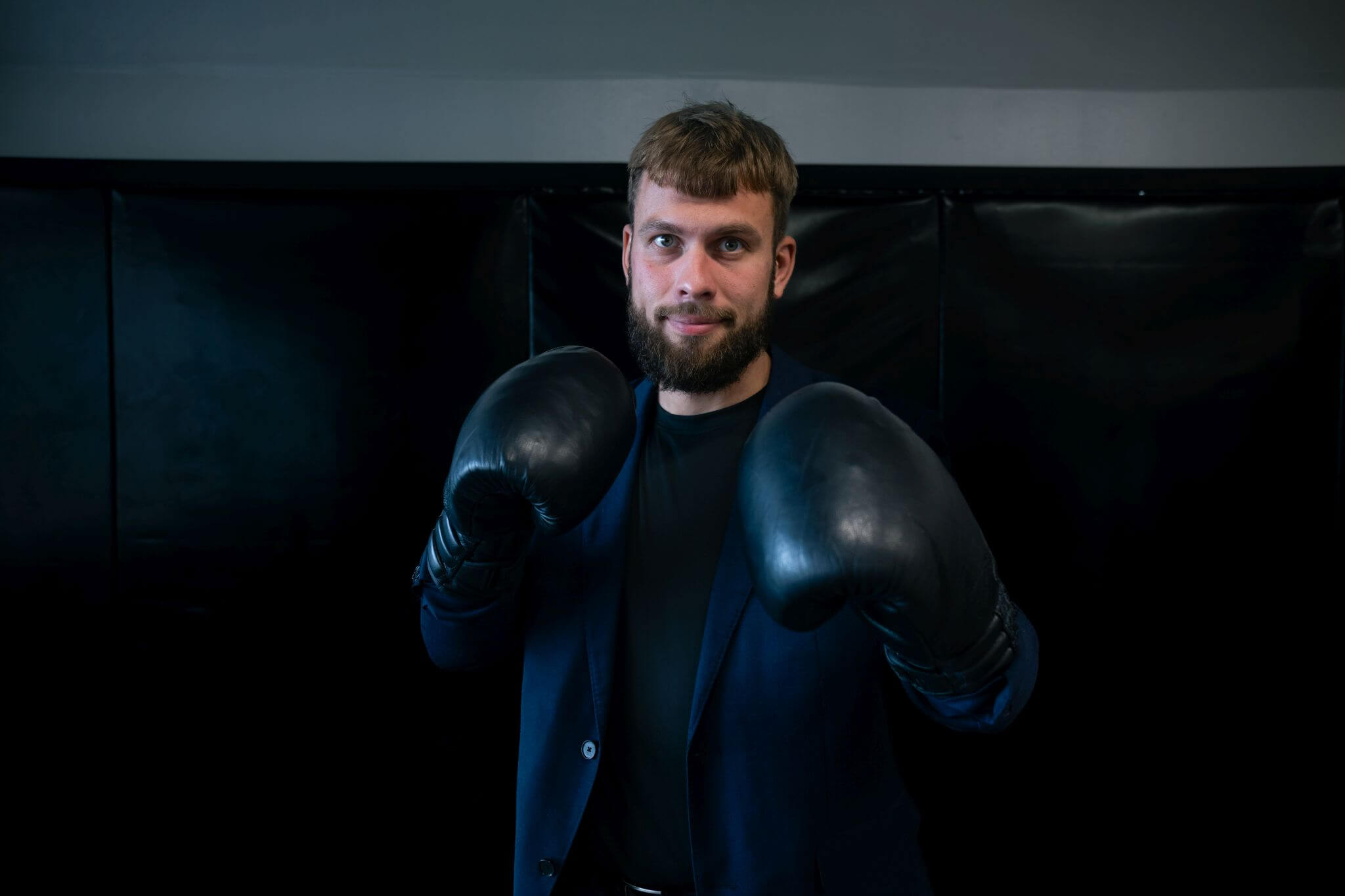
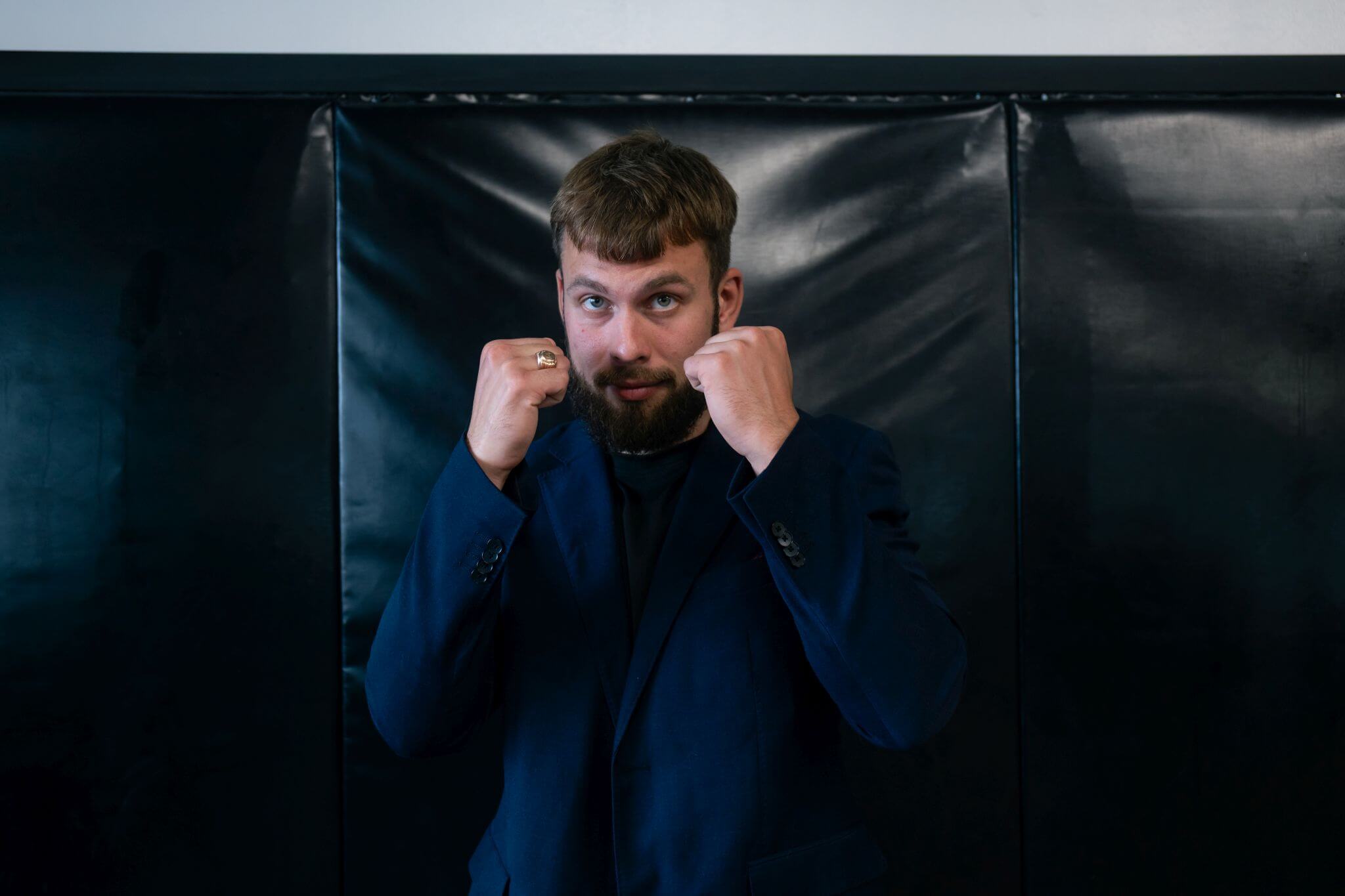
According to Udrase, combat sports help build self-confidence, inner peace, and mental strength. “When you go to training, you’re faced with something that’s challenging and difficult. Sometimes you don’t want to go to practice; other times you go and get knocked around. But regularly overcoming that difficulty builds self-confidence, a strong spirit, and also gets you in great physical shape. I strongly believe that a healthy body houses a healthy mind, and then you can accomplish great things.”
“A healthy body means a healthy mind, and that’s when you can accomplish great things.”
— Siim Udras, organizer
According to Udras, the martial arts gym embodies values that many people need in their lives. “When you come to the martial arts gym or to a workout, these values and the community naturally become a part of you. These values are respect, self-confidence, and peace of mind—exactly what most people need in their lives.”
The festival’s goal is to strengthen the entire region
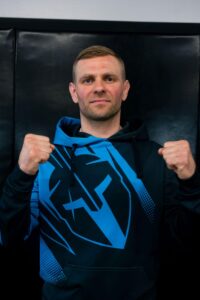
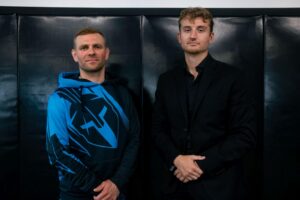
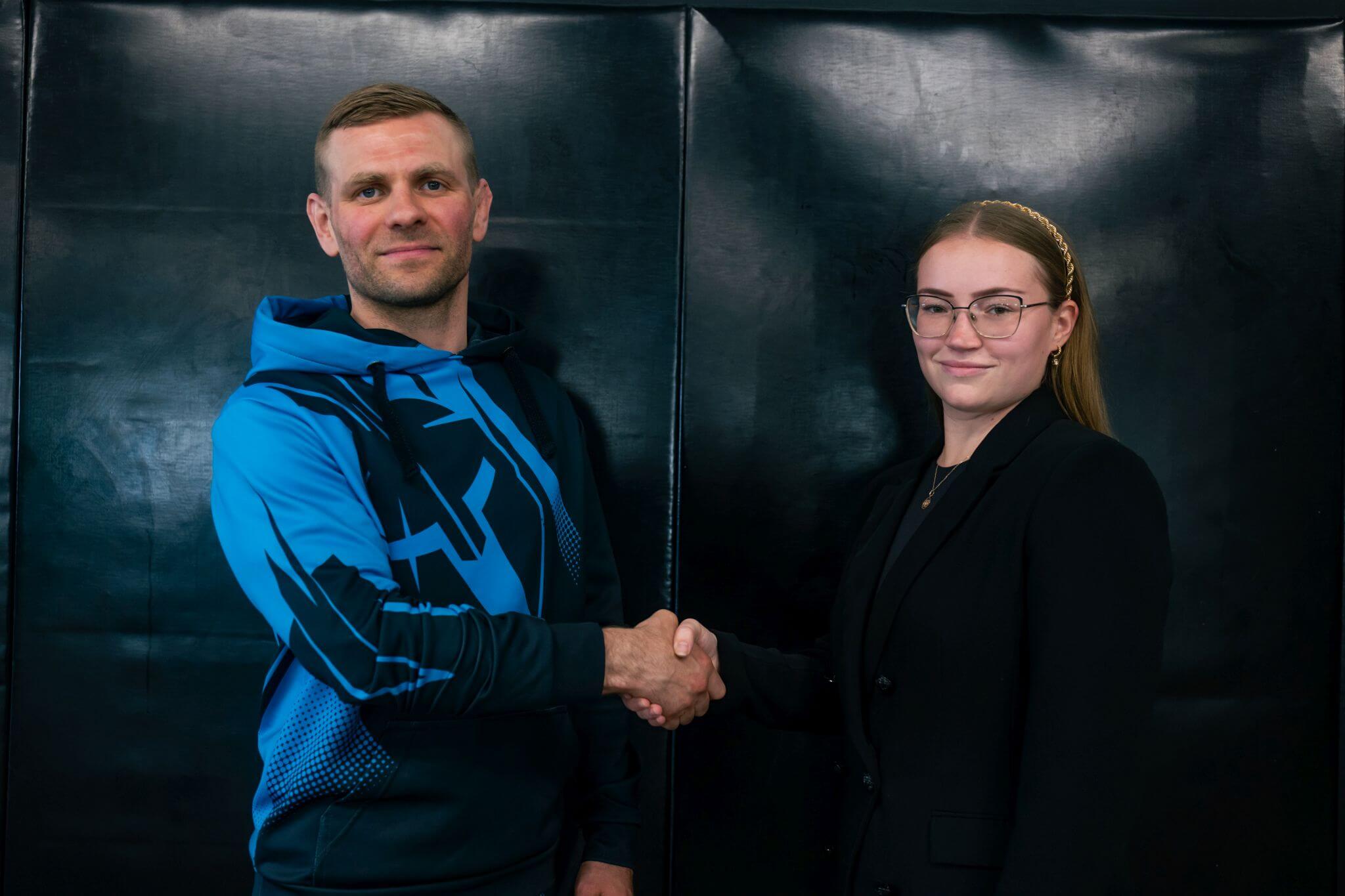
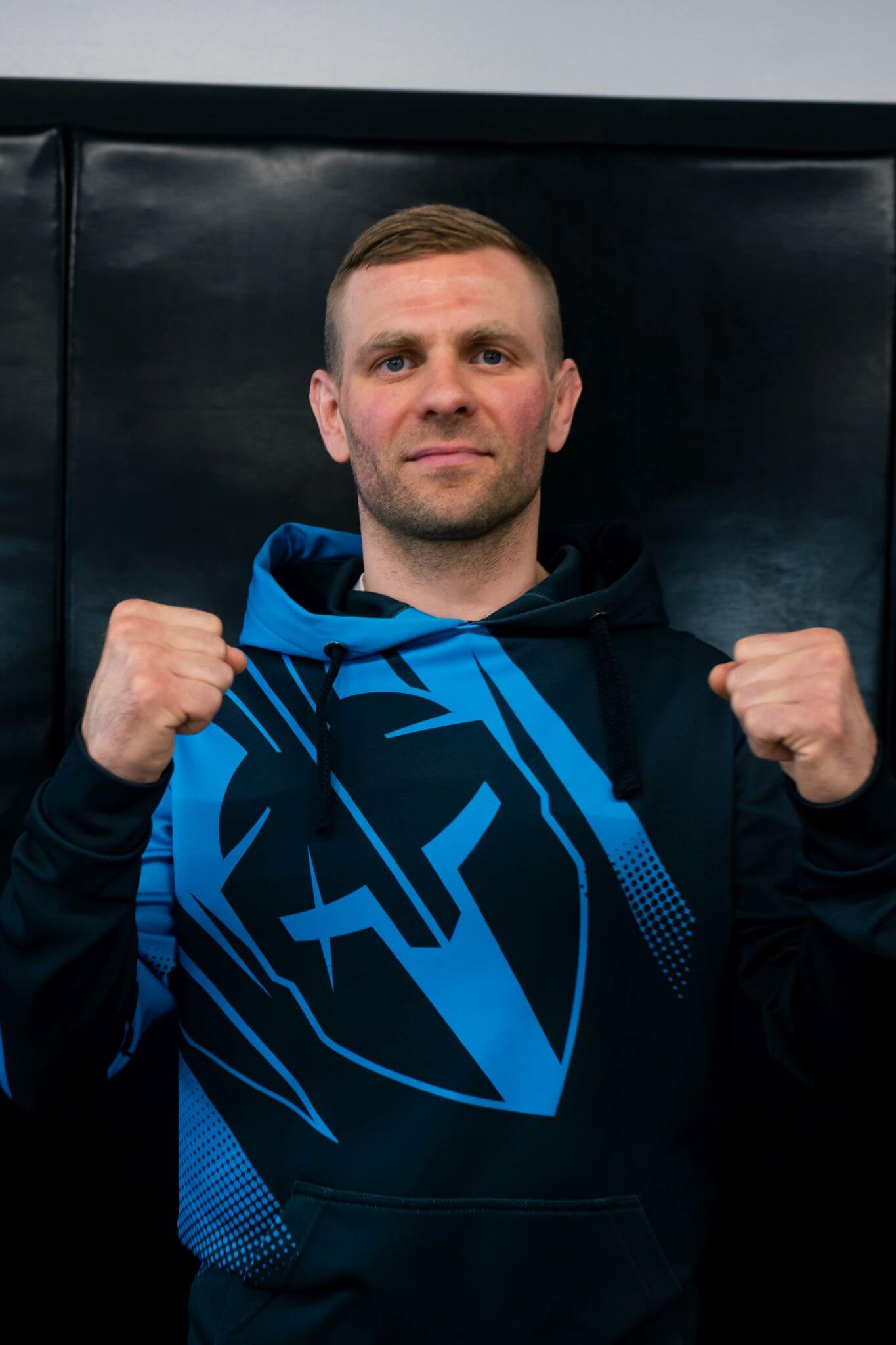
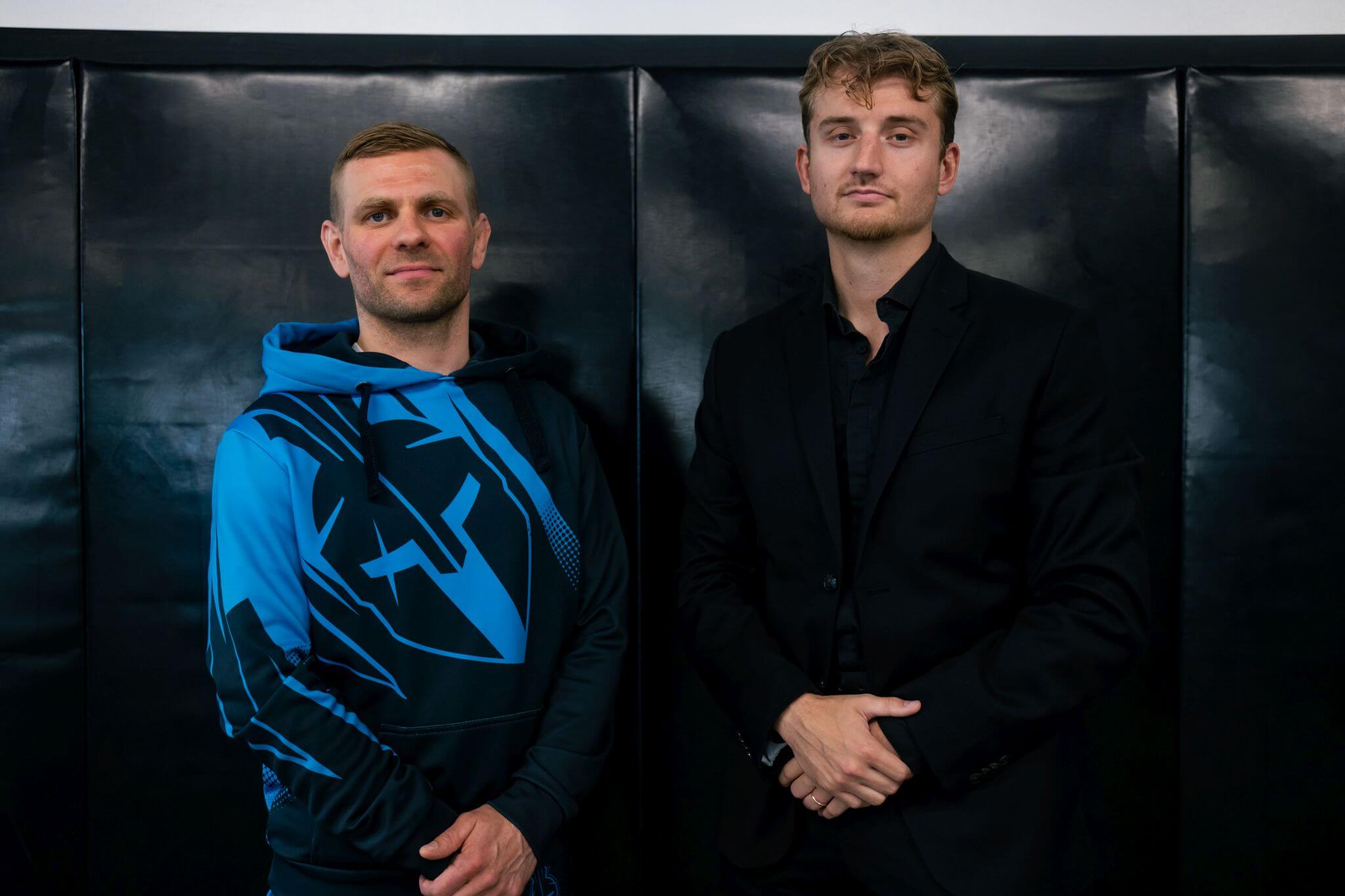
Several athletes from the Pärnu sports club Invicta will also be competing at the main event of The Clash 5. According to the club’s head coach, Henri Hiiemäe, those stepping into the ring at The Clash 5 this fall will include, among others, Karoliine Moones, Endrike Käänik, Olavi-Tanel Kask, Markus Tammik, Kenter Metsaots, Sander Kaju, Sten-Eric Laadre, and Karol-Kenneth Lootus.
Hiiemäe noted that The Clash has developed significantly in a short time and has reached a level comparable to other combat sports leagues. “There’s always room for improvement, but The Clash has made a very rapid leap forward. Having competed in various leagues myself and currently taking my athletes to different competitions, I can say that the level is solid,” Hiiemäe confirmed.
Udras also invites all other Estonian combat sports clubs, coaches, and gym owners to join the festival, as the goal is to strengthen the entire field. “We want to offer competitors and athletes a great platform for growth, where they can have challenging matches, learn, and develop. Coaches and referees will also have the opportunity to learn, and we can all come together to put Estonian combat sports even more firmly on the world map than it already is,” said Udras. “I hope that together we can do something in Estonian combat sports that has never been done before and achieve great things together.”
- The Clash: European Combat Sports Festival 2026 will take place October 20–24 at Unibet Arena. The Clash 5 Main Event will take place on October 24.
- Co-funded by the European Union. However, the views and opinions expressed are solely those of the author(s) and do not necessarily reflect the views and opinions of the European Union or the Education, Audiovisual, and Culture Executive Agency (EACEA). Neither the European Union nor the EACEA can be held responsible for them.